Introduction
The logistics and supply chain industry is under growing pressure to deliver faster, more transparent, and cost-efficient services. With rising customer expectations and global disruptions, organizations must adopt digital solutions that enhance visibility, resilience, and sustainability across operations.
LogiTech innovations such as IoT-enabled tracking, AI-driven route optimization, blockchain-based supply chain transparency, and autonomous delivery systems are transforming how goods move from origin to destination. These technologies not only improve efficiency but also reduce risks and build customer trust.
Whether implementing real-time fleet monitoring, automating warehouses with robotics, or leveraging predictive analytics for demand planning, logistics leaders can build smart, adaptive ecosystems that meet the challenges of a globalized market.
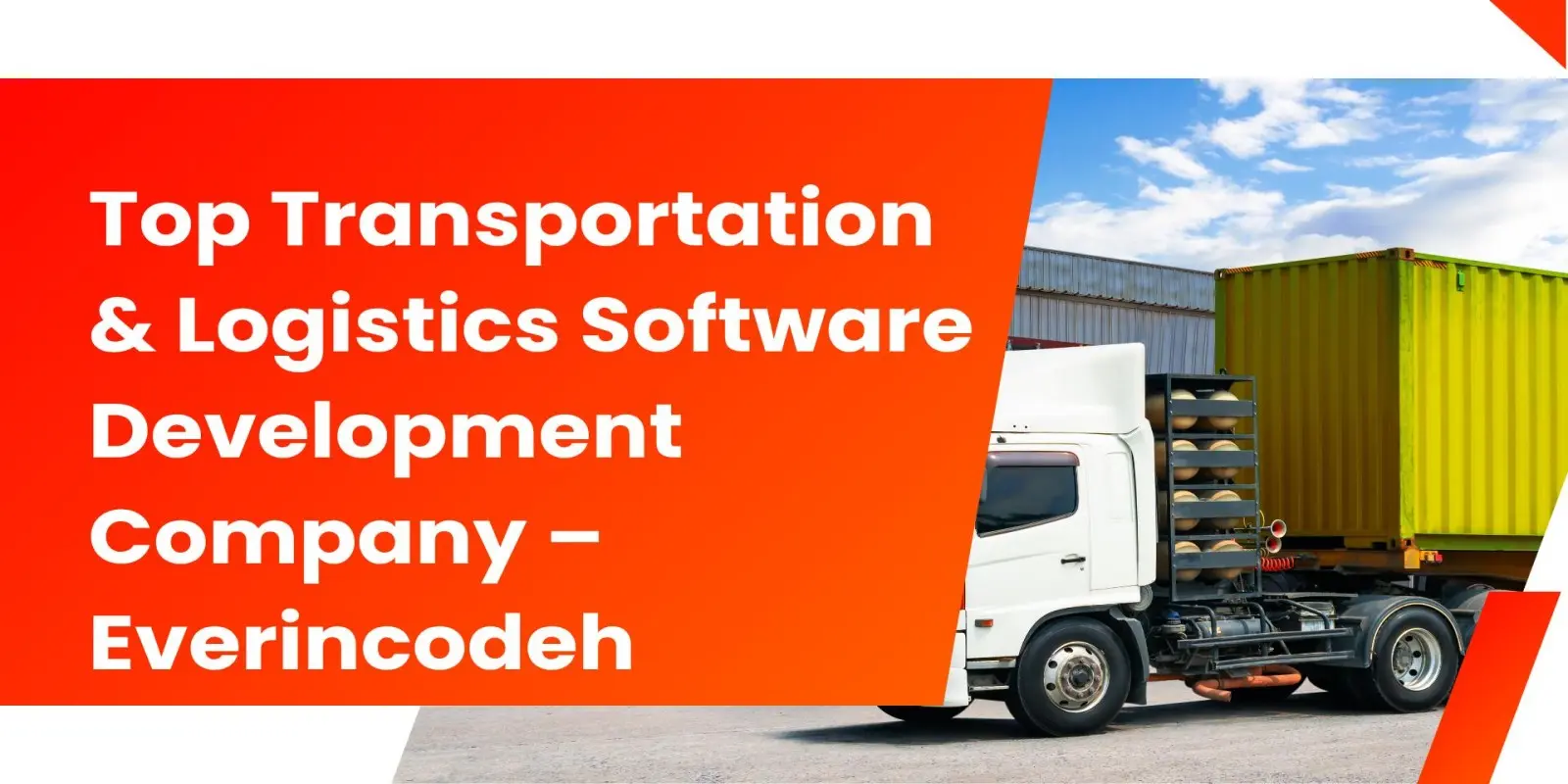
LogiTech empowers supply chains with efficiency, transparency, and resilience at scale.
Industry Landscape & Key Challenges
Logistics technology companies face challenges such as fragmented supply chains, real-time tracking requirements, regulatory compliance, and the need to optimize operational efficiency across multiple stakeholders.
Many of these challenges stem from the complexity of modern logistics — where transportation, warehousing, inventory management, and last-mile delivery systems must work seamlessly. LogiTech must integrate data across multiple partners, handle unpredictable demand, and ensure timely deliveries. Successful digital transformation requires not just technological solutions but also process optimization and data-driven decision-making.
Key Challenges:
- 🚚 Integrating multiple transport, warehouse, and inventory systems.
- 🔐 Ensuring regulatory compliance across regions and modes of transport.
- 📦 Optimizing route planning, resource allocation, and delivery performance.
- 📊 Handling high-volume, real-time tracking and analytics data.
- 🌍 Scaling logistics solutions across geographies with diverse regulations and infrastructure.
Where LogiTech Creates Value
Real-Time Tracking
Visibility into shipments has shifted from being a bonus to being an expectation. IoT sensors and GPS solutions allow businesses and customers to monitor cargo, vehicles, and deliveries with precision. This not only improves accountability but also reduces the risk of theft and loss. Enhanced visibility empowers businesses to deliver more reliable services, strengthening customer trust.
Automated Warehousing
Robotics, AI, and IoT are transforming warehouses into highly automated hubs of efficiency. Systems can sort, pick, and package products with accuracy and speed, minimizing reliance on manual labor. This increases throughput and reduces human error, which is crucial in high-demand environments. The result is leaner, more cost-efficient supply chains.
Route Optimization
Logistics companies face constant challenges of traffic, fuel costs, and delivery deadlines. AI-powered route optimization reduces delays by suggesting efficient, real-time alternatives. These solutions save operational costs while lowering carbon emissions. Over time, optimized routing also improves driver safety and overall delivery reliability.
Global Integration
Logistics no longer operates in silos; global platforms connect shippers, carriers, and retailers in unified ecosystems. Cloud-native platforms allow businesses to manage cross-border operations seamlessly, from customs clearance to multi-currency billing. This reduces complexities in international trade, making it more efficient and scalable.
Predictive Analytics
Anticipating disruptions in the supply chain has become a competitive edge. Analytics tools forecast demand surges, weather delays, and equipment breakdowns before they occur. Armed with these insights, companies can proactively adapt operations. Predictive models reduce risk and build resilience into logistics networks.
Secure Operations
Cyberattacks on logistics infrastructure can halt operations instantly. Implementing strong security frameworks safeguards both digital systems and physical operations. Compliance with standards like ISO 27001 ensures resilience against growing threats. Secure systems provide businesses with the confidence to scale operations globally.
Trends Shaping LogiTech in 2025
Artificial intelligence is helping logistics companies predict demand, optimize routes, and allocate resources more efficiently. These systems reduce delivery delays, minimize fuel costs, and enhance customer satisfaction. AI also enables predictive maintenance for fleets, avoiding costly breakdowns. In 2025, AI-driven logistics platforms will become the standard for global supply chains.
Sensors, RFID tags, and GPS-enabled devices provide end-to-end visibility across supply chains. Businesses and customers can monitor shipments in real time, improving transparency and trust. This also helps companies quickly resolve disruptions and reduce theft. In 2025, IoT-powered visibility will be a must-have for logistics providers.
With growing pressure to reduce carbon emissions, logistics firms are turning to electric fleets, optimized routing, and eco-friendly packaging. Digital platforms are being used to calculate and report carbon footprints transparently. These initiatives not only improve brand reputation but also meet evolving regulations. In 2025, sustainability will be a primary driver of logistics technology adoption.
Warehouses and distribution centers are increasingly deploying robotics for picking, packing, and inventory management. Automation reduces errors, lowers costs, and accelerates throughput. Combined with AI, robotics also improves scalability during peak demand seasons. By 2025, robotics will play a central role in transforming logistics operations.
Blockchain is being adopted to improve supply chain traceability and prevent fraud. From verifying product authenticity to ensuring ethical sourcing, blockchain provides tamper-proof records. This enhances trust across stakeholders, including regulators, suppliers, and customers. In 2025, blockchain will be widely integrated into logistics ecosystems as a standard for transparency.
Core Capabilities Every LogiTech Platform Should Provide
📦 Logistics & Supply Chain Capabilities
- Real-time shipment tracking with GPS and IoT-enabled telemetry.
- Route optimization, fleet management, and load balancing.
- Warehouse and inventory management with predictive demand planning.
- Integration with customs, carriers, and multi-modal transport networks.
⚙️ Platform & Delivery Capabilities
- API-first design for seamless integration with ERP, WMS, TMS, and third-party carriers.
- Role-based access for drivers, dispatchers, managers, and clients.
- Automated deployment pipelines for rapid rollout of tracking and routing updates.
- Observability: live logistics dashboards, SLA monitoring, delivery time KPIs, and exception alerts.
Security, Privacy & Compliance: Non-Negotiables for LogiTech Businesses
In logistics, where goods, data, and money flow in parallel, security and compliance are essential to ensure trust across the entire supply chain. From protecting sensitive shipping data to securing IoT-enabled fleets and warehouses, vulnerabilities can lead to costly disruptions. Businesses that embed strong security and compliance practices not only reduce operational risks but also strengthen long-term customer and partner confidence.
- Protecting Shipment & Customer Data: Logistics platforms handle personal data, payment details, and real-time shipment tracking. Encrypting this data both in transit and at rest ensures it cannot be intercepted or altered by malicious actors. Securing customer information builds credibility while preventing fraud and cargo theft.
- IoT & Fleet Security: Connected fleets, smart warehouses, and IoT sensors are core to modern logistics. However, they also expand the attack surface. Secure device authentication, firmware updates, and intrusion detection systems are critical to prevent tampering with tracking devices, autonomous vehicles, or warehouse robotics.
- Access Controls & Audit Logs: Logistics operations often involve multiple stakeholders—carriers, suppliers, brokers, and customers. Fine-grained role-based access controls (RBAC) and immutable audit trails ensure only authorized users can access sensitive records. Transparent tracking of every system interaction supports both governance and dispute resolution.
- Regulatory Compliance & Trade Standards: Global logistics companies must adhere to GDPR, CCPA, and local data protection laws, as well as international trade regulations like C-TPAT, TAPA, and customs compliance frameworks. Staying aligned with these ensures smooth cross-border operations while avoiding fines, delays, and reputational damage.
- Securing Digital Supply Chains: Supply chain disruptions often stem from compromised digital integrations. Adopting API-first security, blockchain-based audit trails, and end-to-end visibility platforms reduces risks from fraud, counterfeit goods, and cyberattacks targeting partners. This builds resilience and ensures business continuity even during global crises.
Integration Across IoT, Energy, and Enterprise Systems in LogiTech
Logistics and supply chain operations rely heavily on integration to achieve visibility, efficiency, and resilience. IoT sensors track goods in real time, energy systems optimize fleet sustainability, and enterprise platforms coordinate global workflows. By combining these layers, LogiTech solutions enable predictive, adaptive, and highly transparent logistics ecosystems.
🔹 Practical Integration Patterns
- IoT-Enabled Asset Tracking: GPS and RFID sensors integrate with logistics platforms to provide real-time visibility of shipments, reducing loss and improving delivery accuracy.
- Smart Fleet Management: Integration with telematics and fuel systems optimizes routing, fuel consumption, and emissions for greener and more cost-effective transportation.
- Warehouse Automation APIs: Robotics and inventory systems connect via APIs to ERP platforms, synchronizing demand planning and real-time stock updates.
- Blockchain for Supply Chain Transparency: Distributed ledgers integrate with logistics platforms to ensure tamper-proof tracking of goods, enhancing trust and compliance.
🔹 Operational Considerations
- Energy-Optimized Logistics: EV fleets and renewable-powered warehouses integrate with energy management systems to lower carbon footprints and meet sustainability goals.
- Real-Time Exception Handling: Dashboards monitor disruptions like delays, route changes, or temperature fluctuations, triggering automated workflows for resolution.
- Customs & Compliance Integration: APIs connect with customs systems and regulatory databases, reducing border delays and ensuring compliance with trade laws.
- Scalable Data Pipelines: Massive logistics data streams are ingested and processed in near-real time, supporting analytics, demand forecasting, and predictive supply chain decisions.
Building a Robust Logistics Data Strategy
Accurate and real-time logistics data is crucial for supply chain efficiency, route optimization, and inventory management. By combining standardized logistics data models with flexible extensions, organizations can ensure actionable insights across warehouses, transportation networks, and partner systems. This strategy supports everything from predictive delivery scheduling to operational performance monitoring.
🔹 Core Principles
📌 Standards-First Approach
Adopt industry standards like EDI, GS1, and ISO logistics schemas to ensure interoperability across suppliers, carriers, and distribution centers. Maintain provenance for shipment and transaction data.
🛠 Stable & Flexible Schemas
Separate raw shipment and inventory feeds from curated operational models. This allows analytics and optimization algorithms to evolve without compromising data integrity.
🔒 Privacy & Compliance Controls
Ensure compliance with privacy and regulatory requirements for tracking, customer data, and shipment information, while enabling safe analytics and reporting.
🔹 Analytics & Model Readiness
📊 Explicit Data Contracts
Define explicit contracts for analytics engines and route optimization models. Specify input formats, update frequency, and expected outputs to ensure reliable performance.
⚡ Centralized Feature Stores
Maintain centralized features like shipment status, warehouse capacity, and route metrics to power predictive logistics, inventory forecasting, and operational dashboards.
✅ Pipeline Quality Checks
Implement automated validations for missing data, schema mismatches, and anomalies to prevent disruptions in routing, delivery schedules, and reporting.
Scalability & Cloud Architecture in LogiTech
LogiTech platforms must handle fluctuating shipment volumes, integrate with transportation providers, and manage warehouse and fleet data in real-time. Cloud-native architectures, event-driven microservices, and multi-region deployments enable resilience and scalability. The platform should ensure reliable operations, timely delivery updates, and compliance with global logistics regulations.
Architectural Considerations
Multi-region & Data Partitioning
Deploy services across regions to optimize delivery tracking, reduce latency, and meet regional compliance requirements for logistics data.
Microservices by Logistics Domains
Separate services for fleet management, warehouse operations, order tracking, and route optimization to allow independent scaling and faster updates.
Event-Driven & Real-Time Monitoring
Leverage event streams to update shipment statuses, inventory levels, and transportation alerts in real-time for both operators and customers.
Testing, Validation & QA for LogiTech Systems
LogiTech platforms require thorough QA to ensure smooth operations across supply chains, warehouse management, and transportation networks. Testing must cover system integrations, real-time tracking, route optimization, and inventory management workflows. Structured QA ensures efficiency, reliability, and trust among logistics providers, partners, and customers.
Unit & Integration Tests
Validate modules such as inventory management, order processing, tracking APIs, and third-party integrations independently and together.
End-to-End Logistics Scenarios
Test complete supply chain workflows, including warehouse operations, shipment tracking, last-mile delivery, and exception handling.
Performance & Stress Testing
Simulate high-volume shipments, peak order loads, and network latency to ensure reliability under operational stress.
Usability & Dashboard Testing
Ensure dashboards, reporting tools, and mobile apps are intuitive, responsive, and provide actionable insights for operators and managers.
Traceability Matrices
Map system requirements, workflow processes, and testing outcomes to maintain audit readiness and operational transparency.
Regulatory & Compliance Artifacts
Generate supporting documentation for logistics standards, safety protocols, and ISO certifications to ensure compliance.
Post-Deployment Monitoring
Continuously monitor shipments, tracking accuracy, and system performance to detect anomalies and ensure operational excellence.
Implementation Playbook — a pragmatic 6-step approach
A successful LogiTech rollout requires balancing supply chain efficiency, operational visibility, and scalability. The following playbook highlights practical steps that leading organizations use to transform strategy into measurable outcomes:
🔍 Phase 1 — Discovery & Planning
Assess current logistics workflows, warehouse operations, and transportation networks. Define KPIs to align technology outcomes with efficiency and cost reduction goals.
🏗️ Phase 2 — Architecture & Design
Design scalable, secure architectures for inventory tracking, fleet management, and warehouse automation systems.
⚡ Phase 3 — Development & Iteration
Develop incrementally with agile sprints, integrating IoT sensors, tracking software, and predictive analytics; validate with pilot warehouses or fleets.
🧪 Phase 4 — Testing & Validation
Conduct workflow simulations, load testing, and inventory accuracy checks to ensure operational reliability and data integrity.
🔐 Phase 5 — Training & Adoption
Train warehouse staff, drivers, and operations teams on new systems, dashboards, and processes to ensure adoption and efficiency.
📈 Phase 6 — Monitoring & Scaling
Monitor logistics KPIs, system performance, and fleet efficiency; scale solutions across sites while maintaining operational reliability.
Engagement Models — flexible options for project needs
Different technology projects demand different approaches. Choosing the right engagement model ensures optimal collaboration, productivity, and alignment with business goals. Below are the most common structures used by mature teams to balance speed, cost, and control:
👨💻 Full-Time Developers
Dedicated engineers (≈40 hrs/week) aligned with project goals and timelines. Best suited for long-term development, product scaling, or continuous innovation.
⏱️ Part-Time Developers
Flexible contributors (≈15–20 hrs/week) for smaller initiatives, maintenance, or integration support. Ideal when workloads are predictable but not full-scale.
💵 Hourly Engagement
A pay-as-you-go model designed for short-term tasks, urgent fixes, or overflow capacity. Provides agility without long-term commitments.
📦 Project-Based Delivery
Fixed-scope delivery for MVPs, product modules, or compliance-driven builds. Defined timelines and measurable outcomes ensure clarity from start to finish.
Common Pitfalls to Avoid
Many LogiTech solutions stumble not due to technology itself, but because of overlooked risks in supply chain integration, operational efficiency, and scalability. Anticipating these pitfalls early ensures smoother logistics, timely deliveries, and cost-effective operations.
Pitfalls we frequently see
- ⚠️ Over-reliance on a single carrier or warehouse partner — creating disruptions if they fail.
- 📊 Assuming all data streams are clean and timely — ignoring real-world delays, errors, and discrepancies.
- 🚚 Neglecting operational workflow realities — designing systems that are hard to integrate with on-ground processes.
- 📢 Skipping structured incident response for supply chain disruptions — delaying corrective actions.
- 🔄 Ignoring regulatory or customs compliance across regions — risking fines, delays, or shipment seizures.
Case Studies — practical, measurable outcomes
Warehouse Automation
Implemented robotic sorting and inventory tracking; reduced order processing time by 40% and errors by 25% within 6 months.
Predictive Delivery Routing
AI-driven route optimization decreased fuel consumption by 15% and improved on-time delivery rates by 20%.
Supply Chain Visibility Dashboard
Real-time analytics improved inventory forecasting accuracy by 30% and reduced stockouts by 18%.
FAQ
Why do logistics companies need custom logistics technology solutions?
How do you ensure compliance with logistics and data regulations?
What types of logistics software can you develop?
We build a wide range of LogiTech solutions, including:
- Fleet and transportation management systems (TMS)
- Warehouse management systems (WMS)
- Real-time shipment tracking & visibility platforms
- Route optimization & predictive logistics tools
- Supply chain analytics and automation platforms
Whether you’re a logistics provider or an enterprise managing large-scale operations, we deliver scalable solutions tailored to your needs.
How long does it take to develop a logistics technology solution?
Can you integrate new logistics software with existing systems?
How do you ensure data security in logistics solutions?
Do you provide ongoing support and maintenance after deployment?
Conclusion
Adopting logistics technology requires aligning digital tools with supply chain goals, operational workflows, and partner networks. By tackling challenges such as real-time tracking, route optimization, and system integration, organizations can enhance both efficiency and customer satisfaction.
Whether deploying fleet management solutions, warehouse automation, or AI-driven demand forecasting, a strategic LogiTech roadmap ensures smarter logistics, reduced costs, and resilient supply chain performance.